
7 Essential Cornish Baking Tips for Authentic Results
Perfecting authentic Cornish baking at home can feel overwhelming when every detail, from flour choice to pastry sealing, affects the result. If you want your pasties to taste genuinely Cornish rather than simply homemade, you need trusted methods that respect tradition and guarantee great flavours and textures. This guide reveals practical steps drawn from Cornwall’s baking expertise, so you can achieve the signature golden pastry, rich fillings, and decorative finishes that make Cornish bakes so beloved.
Discover how to select the right flour, create flavoursome dough, and master essential techniques that bring local heritage to your kitchen. Each tip in the list ahead will help you avoid common pitfalls and build the confidence to serve pasties with pride.
Table of Contents
- 1. Choose The Right Flour For Traditional Texture
- 2. Master Cornish Shortcrust Pastry From Scratch
- 3. Seal Pasties With The Perfect Crimp
- 4. Source Local Ingredients For Genuine Flavour
- 5. Achieve The Signature Golden Bake Every Time
- 6. Balance Sweet And Savoury Fillings Properly
- 7. Store And Serve Cornish Bakes Like A Local
Quick Summary
| Takeaway | Explanation |
|---|---|
| 1. Choose heritage flour for authenticity | Use Cornish Golden Grains’ Orange Devon Blue Rough Chaff for rich flavour in traditional bakes. |
| 2. Master pastry techniques for ideal texture | Keep ingredients cold and minimize handling for a tender, flaky shortcrust pastry. |
| 3. Crimp effectively for function and style | A proper crimp seals in flavour and reflects the historical purpose of Cornish pasties. |
| 4. Select local ingredients for genuine taste | Use nearby produce like Beef skirt and yellow-fleshed swede to enhance authenticity and flavour. |
| 5. Store and reheat properly for freshness | Maintain texture by refrigerating pasties and reheating in an oven to restore crispness. |
1. Choose the Right Flour for Traditional Texture
Selecting the perfect flour is the cornerstone of authentic Cornish baking. Your pastry’s texture and flavour depend entirely on the wheat you choose.
In traditional Cornish baking, not all flours are created equal. Cornish Golden Grains produces an exceptional heritage flour that captures the essence of West Country baking. Their signature wheat variety - Orange Devon Blue Rough Chaff - provides a rich flavour profile perfectly suited for creating traditional pasties and baked goods.
When choosing flour for your Cornish recipes, consider these key characteristics:
- Protein content determines pastry structure and tenderness
- Milling technique impacts flavour and texture
- Grain heritage contributes to authentic regional taste
Authentic Cornish baking relies on understanding how different flour types affect your final product.
For shortcrust pastry typical in Cornish cooking, aim for all-purpose or bread flour with moderate protein. This balance provides the characteristic flakiness while maintaining structural integrity.
Pro tip: Store your heritage flour in an airtight container away from direct sunlight to preserve its unique flavour and prevent moisture absorption.
2. Master Cornish Shortcrust Pastry from Scratch
Creating the perfect Cornish shortcrust pastry requires precision technique and understanding the delicate balance between ingredients. The art of crafting an authentic pasty begins with mastering your dough.
Traditional Cornish pastry relies on a specific method that transforms simple ingredients into a flaky golden crust. Traditional pasty techniques demand careful ingredient selection and handling.
Key ingredients for authentic shortcrust pastry include:
- Strong bread flour
- High-quality Cornish butter
- Chilled lard
- Ice-cold water
- Pinch of salt
The secret to perfect shortcrust pastry lies in minimal handling and keeping ingredients cold.
The technique involves several critical steps:
- Combine flour and salt in a large mixing bowl
- Add diced cold lard and butter
- Rub fats into flour until breadcrumb consistency forms
- Gradually add iced water to bind the mixture
- Knead lightly until smooth
- Chill the dough for at least one hour
Chilling allows the gluten to relax and fats to reset, ensuring a tender yet sturdy pastry. This resting period is crucial for developing the right texture and preventing shrinkage during baking.
Pro tip: Use a glass of iced water and a metal fork when mixing to keep your pastry ingredients as cold as possible, preventing the fats from melting and ensuring maximum flakiness.
3. Seal Pasties with the Perfect Crimp
The iconic Cornish pasty crimp is more than just a decorative edge. It represents a culinary tradition deeply rooted in Cornwall’s mining heritage, where functionality meets artistry.
Pasty sealing techniques are crucial for creating an authentic and practical pastry. Historically, miners used the crimped edge as a handle, allowing them to eat the pasty without washing their hands after handling dirty mining equipment.
Key elements of the perfect pasty crimp include:
- Precise folding technique
- Consistent pinching method
- Decorative yet functional seal
- Leak-proof design
A true Cornish pasty crimp tells a story of tradition and practicality.
Step-by-step crimp process:
- Roll out your pastry to an even thickness
- Place filling on one half of the pastry
- Brush edges with beaten egg or water
- Fold pastry over to create a half-moon shape
- Press edges firmly to seal
- Begin crimping from one end
- Create a series of overlapping folds along the edge
Hand positioning matters. Use your thumb and forefinger to create uniform, tight crimps that both seal in flavours and create that distinctive Cornish look.
Pro tip: Practice your crimp on spare pastry first to develop muscle memory and achieve that perfect, consistent seal that distinguishes a true Cornish pasty.
4. Source Local Ingredients for Genuine Flavour
Authentic Cornish baking begins with exceptional local ingredients that capture the essence of Cornwall’s rich culinary landscape. Each ingredient tells a story of tradition and regional pride.
Local ingredient sourcing transforms a simple pasty into a genuine Cornish experience. The quality of your ingredients directly influences the depth and authenticity of your final bake.
Key local ingredients for traditional Cornish pasties include:
- Beef skirt from local Cornish farms
- Waxy potatoes like Maris Peer
- Yellow-fleshed swede (local turnip)
- Farm-fresh onions
- Cornish butter and lard
Local ingredients are the heartbeat of authentic Cornish cuisine.
When selecting ingredients, prioritise:
- Proximity to source
- Seasonal availability
- Sustainable farming practices
- Direct relationships with local producers
The distinctive yellow swede and tender beef skirt are particularly crucial. These ingredients provide the characteristic flavour profile that distinguishes a true Cornish pasty from mere imitations.
Pro tip: Visit local farmers’ markets and speak directly with producers to understand the provenance of your ingredients and build connections with Cornwall’s incredible food community.
5. Achieve the Signature Golden Bake Every Time
The perfect golden-brown Cornish pasty is a testament to precision baking techniques that transform simple ingredients into a culinary masterpiece. Achieving that signature glossy exterior requires more than just luck.
Key elements for a stunning golden bake:
- Precise egg wash application
- Correct oven temperature
- Proper pastry preparation
- Strategic steam management
The golden crust is the hallmark of an authentic Cornish pasty.
Critical baking steps for the perfect finish:
- Chill pastry before baking
- Brush evenly with beaten egg
- Create small steam release holes
- Bake at 200°C (400°F)
- Maintain 45-50 minute baking time
Egg wash technique is particularly crucial. Use a pastry brush to apply a thin layer of beaten egg across the entire surface. This creates that beautiful burnished golden sheen characteristic of traditional Cornish pasties.
Pro tip: For an extra glossy finish, apply a second light egg wash midway through baking to enhance the golden colour and create a professional-looking pastry.
6. Balance Sweet and Savoury Fillings Properly
Cornish pasties represent more than just a meal they are a culinary narrative of tradition and innovation. Understanding how to balance flavours respects the heritage while allowing creative expression.
Cornish pasty filling techniques reveal the delicate art of layering ingredients to create a harmonious taste experience.
Key principles for balanced pasty fillings:
- Preserve traditional savory base
- Layer complementary flavours
- Control ingredient proportions
- Maintain authentic texture
The true magic of a Cornish pasty lies in its carefully crafted flavour balance.
Strategies for flavour harmony:
- Start with classic beef, potato, swede base
- Add subtle sweet elements sparingly
- Use thin fruit slices for gentle contrast
- Season thoughtfully with salt and pepper
- Keep savoury profile dominant
Traditional savory ingredients remain paramount. Think diced beef, waxy potatoes, and yellow swede. Any sweet additions should whisper rather than shout.
Pro tip: Experiment with thin apple slices placed strategically at one end of the pasty to create a subtle sweet finish without overwhelming the traditional savoury profile.
7. Store and Serve Cornish Bakes Like a Local
Mastering the art of storing and serving Cornish pasties ensures you preserve their delightful texture and authentic flavour. Proper handling transforms these traditional bakes from mere pastries to genuine culinary experiences.
Cornish pasty storage techniques are crucial for maintaining their distinctive quality and taste.
Key storage and serving guidelines:
- Keep pasties at optimal temperature
- Preserve flaky pastry texture
- Maintain filling’s original flavour
- Reheat with care and precision
A perfectly stored pasty tells a story of culinary respect and tradition.
Storage and reheating steps:
- Cool pasties at room temperature initially
- Refrigerate within two hours of baking
- Store in airtight container
- Consume within 72 hours
- Reheat in moderate oven
- Avoid microwave to prevent soggy pastry
Freezing extends pasty preservation potential. You can freeze pasties either before or after baking, with a shelf life of up to one month. When ready to enjoy, thaw completely and reheat in an oven to restore that freshly baked texture.
Pro tip: Wrap individual pasties in parchment paper before storing to absorb moisture and maintain their signature crisp exterior.
Below is a comprehensive table summarising the key concepts and techniques outlined in the article.
| Aspect | Details | Importance |
|---|---|---|
| Flour Selection | Utilise heritage flours like Orange Devon Blue Rough Chaff for authentic baking. Ensure moderate protein content and balanced flavour with specific milling techniques. | Affects texture, flakiness, and overall authenticity of baked goods. |
| Pastry Preparation | Combine bread flour, Cornish butter, lard, ice-cold water, and salt. Handle minimally and chill for at least one hour. | Produces tender, sturdy shortcrust pastry essential for traditional pasties. |
| Pasty Crimping | Fold pastry over filling, seal by pressing edges, and produce uniform crimps using precise techniques. | Ensures an authentic appearance and prevents filling leakage. |
| Ingredient Sourcing | Choose local options like beef skirt, waxy potatoes, and yellow swede. Prioritise proximity and sustainability. | Enhances traditional flavours and supports the regional food community. |
| Baking Technique | Employ proper chilling, egg wash application, and set oven temperature at 200°C for 45-50 minutes. | Yields a golden-brown crust characteristic of Cornish pasties. |
| Storage and Reheating | Store in airtight containers and avoid microwaves when reheating to preserve texture. | Retains quality for up to three days refrigerated and improves shelf life using freezing methods. |
Experience Authentic Cornish Baking Without the Fuss
Struggling to perfect the flaky pastry or achieve that golden bake at home Can you recreate the balance of traditional flavours with local ingredients Discover the joys of genuine Cornish pasties made by a family-run bakery deeply rooted in Cornwall’s heritage At Todays delicious selection you will find handmade pasties baked with care using traditional techniques that honour every step detailed in the article
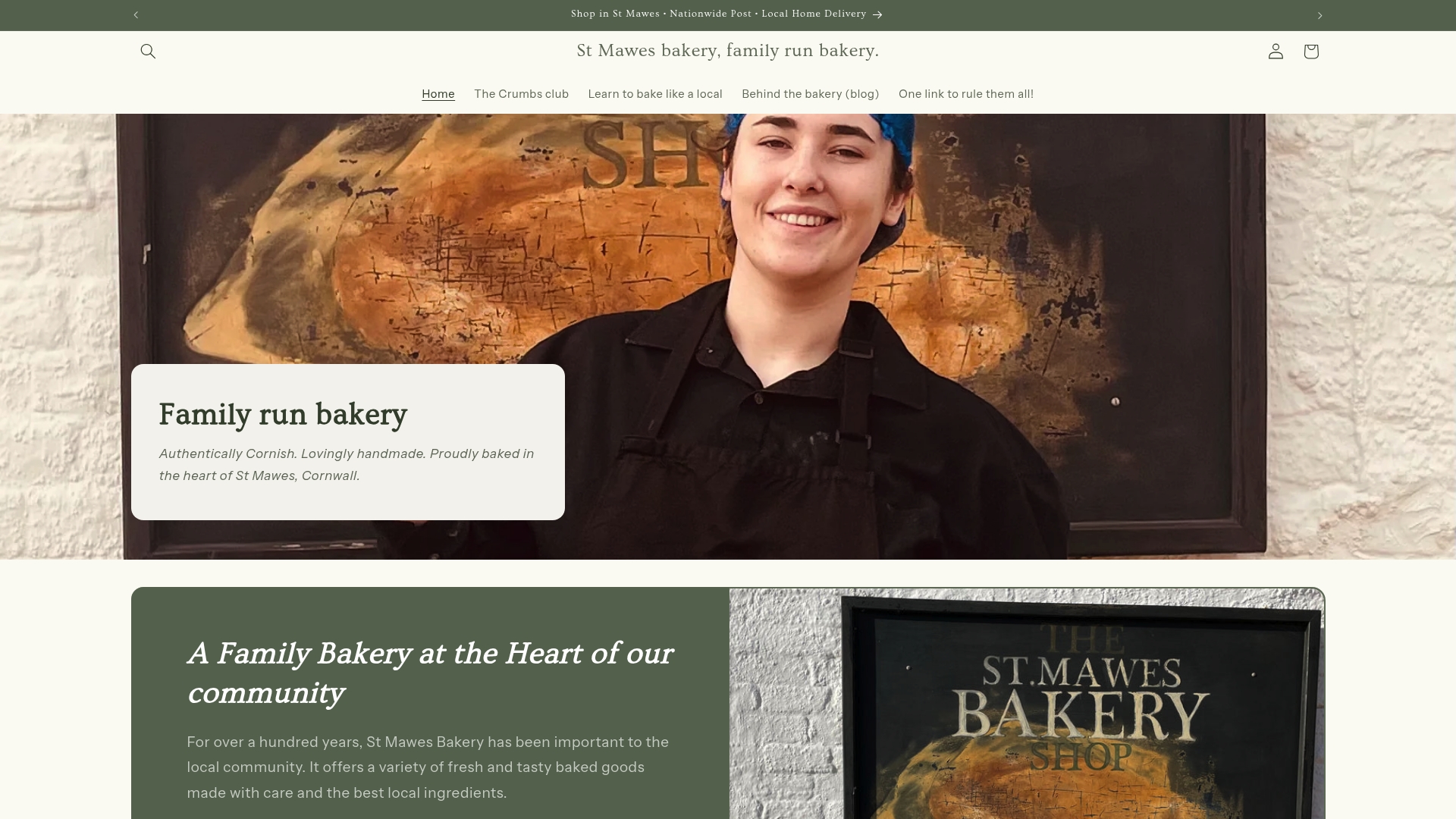
Bring true Cornish baking to your table without the frustration of trial and error Explore our range including First crust mail for direct delivery right to your door With every bite you savour the heritage and artisan skill that guarantees authenticity Visit St Mawes bakery now and experience the difference of Cornish baking made by experts
Frequently Asked Questions
What type of flour is best for achieving authentic Cornish baking results?
Selecting the right flour is crucial for authentic Cornish baking. Opt for strong bread flour or specialised heritage flours like Orange Devon Blue Rough Chaff to achieve the right texture and flavour in your pastries.
How can I master Cornish shortcrust pastry from scratch?
To master Cornish shortcrust pastry, use strong bread flour, Cornish butter, chilled lard, and ice-cold water. Follow the precise technique of minimal handling and ensure to chill the dough for at least one hour before rolling it out.
What is the proper technique for sealing pasties with crimping?
To seal Cornish pasties properly, use a precise folding technique and ensure your crimping method is consistent. Crimp from one end to the other, creating uniform overlaps to form a leak-proof seal that is both decorative and functional.
How should I source local ingredients for authentic Cornish pasties?
When sourcing local ingredients, prioritise proximity to producers and seasonal availability. Focus on obtaining fresh local beef skirt, waxy potatoes, and Cornish butter to enhance the authentic flavour in your pasties.
What baking temperature and time should I use for the perfect golden Cornish pasty?
Bake your Cornish pasties at 200°C (400°F) for 45-50 minutes to achieve a signature golden crust. Ensure to chill the pastry before baking and apply an even layer of egg wash for a glossy finish.
How can I store Cornish pasties to maintain their quality?
Store Cornish pasties in an airtight container after cooling them to room temperature. Refrigerate them within two hours of baking and consume within 72 hours to preserve their flaky texture and authentic flavour.